
Most ski injuries do not look serious in the first hour. The adrenaline is still up, the leg still takes weight, and the medical centre is busy. What you do in the next twenty-four hours decides whether you spend the following six weeks recovering — or six months.
1. Get seen in resort — and keep everything
Go to the resort medical centre for a face-to-face assessment. They will X-ray, splint and, if needed, arrange a scan. Keep every document, every image and every link you are given: you will upload them to us and your insurer will ask for them later.
Consultant’s note
“A sprain that cannot take weight the next morning is not a sprain until an MRI says so. Ask for the images, not just the report.”
2. Call the hotline
If you have Trip Protection, call the number on your card. We hold a video slot — usually within 24 hours — and tell you exactly what to upload. If you do not have cover, book an acute consultation for £295 and we will do the same.
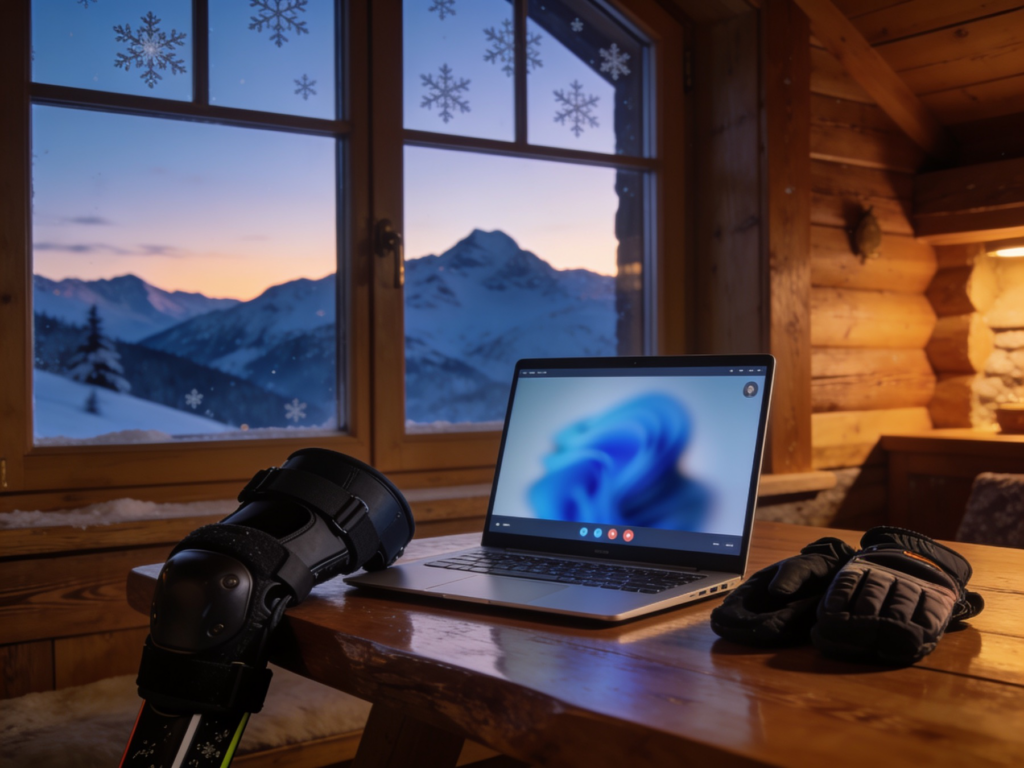
3. The consultation: what we decide together
Mr Putnis reviews your imaging and sets your safe level of function for the rest of the trip — what you can do, what you must not, and whether you should fly home early. Then the letter is written: to your GP, to your insurer, and to the hospital that will scan you when you land.
4. What happens when you land
Your MRI is already booked at the Nuffield, Spire or HCA hospital nearest home, usually for the day you land or the day after. A specialist appointment follows that week, and a physiotherapy pathway starts from day one — not week six. Surgery is planned only if it is the right answer.
The 24-hour checklist
- Face-to-face assessment at the resort medical centre
- Photograph every document; save every scan link
- Call the hotline or book an acute consultation
- Upload imaging before the video call
- Follow your safe level of function for the rest of the trip
- Land with the MRI already booked